With Leading Experts in Attendance, Asharqia Chamber Looks Ahead to the Future of the Waqf Sector at the “Waqf Practices Forum 2026”
Under the Patronage of HRH the Governor of the Eastern Province:
With Leading Experts in Attendance, Asharqia Chamber Looks Ahead to the Future of the Waqf Sector at the “Waqf Practices Forum 2026”
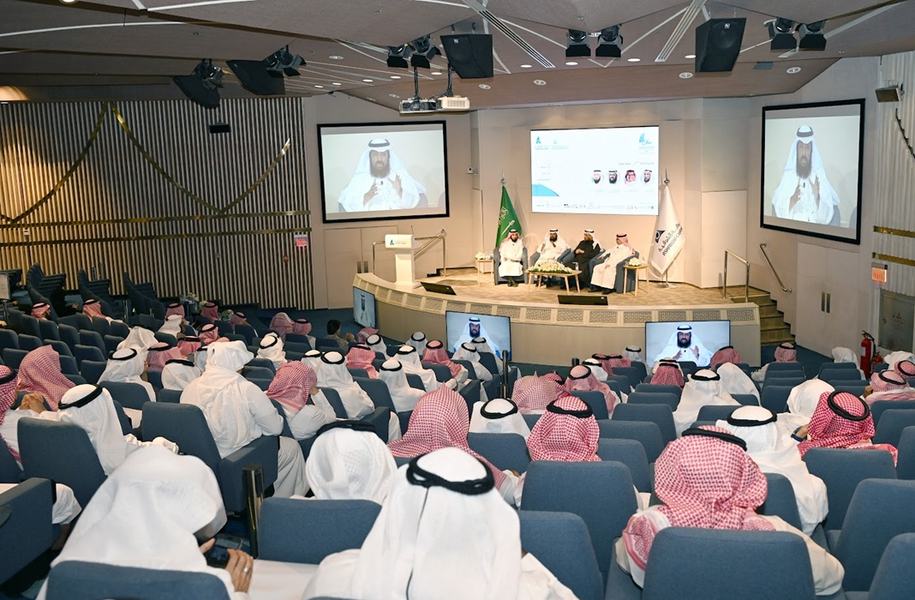
Asharqia Chamber, represented by its Social Responsibility Center, held the Waqf Practices Forum 2026 under the title “Legislation to Foster the Growth and Disbursement of Waqf,” on Sunday, November 15, 2026, under the patronage and in the presence of HRH Prince Saud bin Naif bin Abdulaziz, Governor of the Eastern Province and Honorary President of the Chamber’s Waqf Committee. The event was attended by His Excellency Imad bin Saleh Al-Kharashi, Governor of the General Authority for Awqaf; Fahad bin Abdullah Al-Farraj, Chairman of Asharqia Chamber’s Board of Directors; Chamber Board members Hamad bin Mohammed Al-Raqib, Sarah bint Essam Al-Muhaideb, Abdulrahman bin Mohammed Al-Bassam, Abdulsalam bin Mohammed Al-Jabr, and Ali bin Abdullah Al-Saihati; Secretary-General Abdulrahman bin Abdullah Al-Wabel; businesspeople; and a broad group of leading experts, specialists, and others interested in the waqf sector.
The forum was aimed at waqf trustees, nonprofit sector workers, and specialists in legal, financial, and administrative fields. It provided an interactive platform to look ahead to the sector’s future in line with global best practices through an opening session and five specialized panel discussions. The
opening session examined the state of the waqf sector in the Kingdom and its targets under Vision 2030. The first session, titled “The Legislative and Regulatory Environment,” discussed the impact of modern laws and regulations in encouraging the establishment of waqf entities, streamlining their procedures, and protecting them. The second session, titled “Waqf Governance and Risk Management,” explored ways to strengthen transparency and institutional compliance to ensure the sustainability of waqf entities and effective oversight. The third session, titled “Asset Development and Waqf Investment,” focused on innovative financial instruments and diversifying investment portfolios to maximize waqf returns and reduce risks. The fourth session, titled “Renewing Waqf Disbursement Areas and Maximizing Impact,” presented ways to direct waqf proceeds toward high-impact development sectors, such as education, health, and innovation, that meet the community’s evolving needs. Finally, the fifth session, titled “Partnerships Between the Private Sector and Waqf,” explored models for integrating corporate social responsibility with waqf institutions to establish joint development endowments. The forum also featured an accompanying exhibition with a range of government enabling entities, grant-making organizations, and waqf entities.
 Beta